

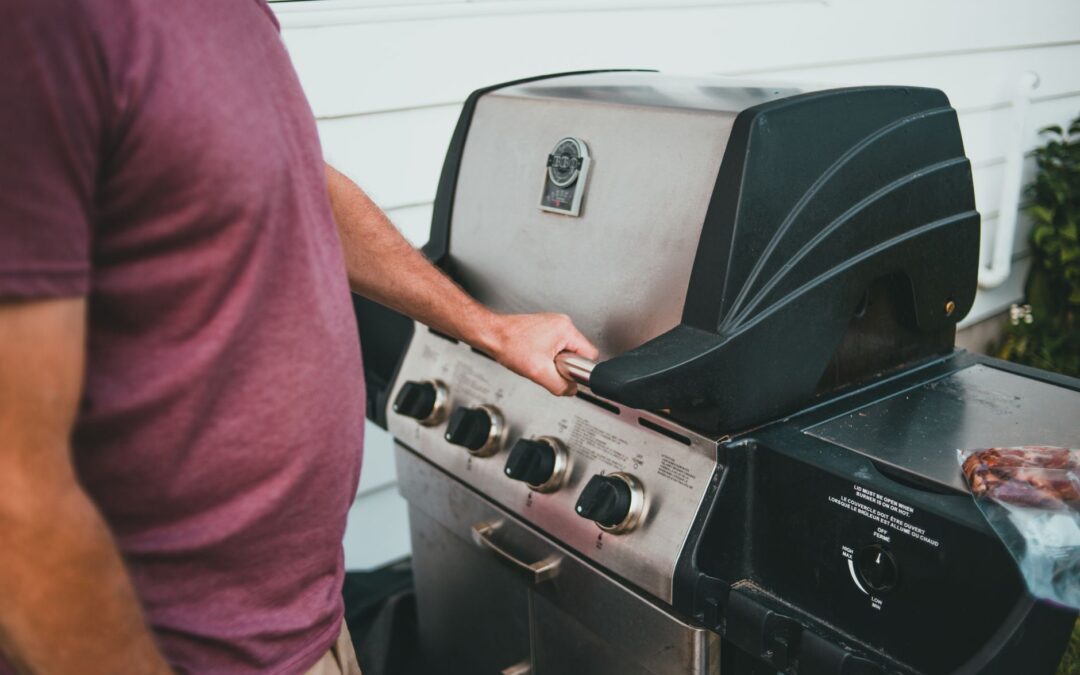
A fully built outdoor kitchen in Lafayette, LA typically runs $8,000 to $40,000+, depending on size, appliances, and countertop material. A basic grill-and-counter setup starts near $8,000, while a covered kitchen with a built-in grill, side burner, sink, refrigerator, and stone counters commonly lands between $20,000 and $40,000. Because outdoor kitchens in Lafayette must survive high humidity, heavy rain, and salt-laden Gulf air, material choice matters more here than almost anywhere else in the country.
This guide covers every question homeowners ask before building — cost breakdowns, the best weatherproof materials for our climate, layout options, permits, and how to vet a builder — so you can make a confident decision instead of a guess.
How much do outdoor kitchens in Lafayette cost?
Outdoor kitchens in Lafayette generally cost between $8,000 and $40,000, with most complete builds landing around $18,000 to $25,000. The final number depends on footprint, appliances, and whether you add a roof or pergola.
Typical cost tiers
- Basic ($8,000–$12,000): Concrete or masonry counter, built-in grill, and a single storage cabinet. No sink or roof.
- Mid-range ($15,000–$25,000): Grill, side burner, sink, stainless cabinetry, granite or porcelain counter, and paver base.
- Premium ($30,000–$40,000+): Covered structure, refrigerator, ice maker, pizza oven, lighting, and stone veneer.
According to HomeAdvisor, the national average outdoor kitchen falls near $13,000, but Lafayette builds trend higher because covered structures and drainage detailing are near-mandatory in our rainfall zone. Utility runs — gas lines, water, and dedicated electrical circuits — often add $1,500 to $5,000 depending on distance from the house.
What materials survive the Lafayette climate?
The best materials for outdoor kitchens in Lafayette are marine-grade 304 stainless steel, porcelain or granite countertops, and closed-cell masonry framing. Our combination of humidity, UV, and salt air destroys anything less.
Recommended by component
- Cabinetry: 304 stainless steel or powder-coated aluminum. Avoid wood — it warps and molds within two seasons here.
- Countertops: Granite, porcelain, or dense concrete. Porcelain resists staining and heat best.
- Framing: Concrete block or steel stud with cement board, never plain wood framing.
- Flooring: Textured pavers or stamped concrete for slip resistance in wet weather.
The U.S. Department of Energy notes that moisture control is the leading factor in outdoor structure longevity in humid climates. In Acadiana, proper flashing and a slight slope for drainage are what separate a kitchen that lasts 20 years from one that fails in five.
What appliances are worth including?
A built-in grill, side burner, and refrigerator deliver the most value; specialty items like pizza ovens are worthwhile only if you’ll use them. Prioritize appliances rated for outdoor and coastal use.
Core vs. optional
- Core: Built-in gas or ceramic grill, side burner, storage drawers.
- High-value add-ons: Outdoor-rated refrigerator, sink with hot/cold plumbing, task lighting.
- Luxury: Pizza oven, kamado smoker, ice maker, kegerator.
Insist on NSF or outdoor-rated appliances. Indoor units placed outdoors void warranties and corrode quickly in Lafayette’s humidity. Gas connections should be installed by a licensed professional and inspected — a detail cheaper contractors skip. Plan a dedicated 20-amp GFCI circuit for refrigeration and lighting so you’re not tripping breakers during a crawfish boil.
How long does it take to build an outdoor kitchen?
Most outdoor kitchens in Lafayette take three to eight weeks from design approval to completion. Timeline depends on permitting, custom fabrication, and weather delays common during hurricane season.
Typical phases
1. Design and quote (1–2 weeks): Site assessment, layout, material selection.
2. Permitting (1–3 weeks): Gas and electrical permits through the local parish.
3. Site prep and foundation (1 week): Grading, base slab or paver bed.
4. Construction and install (1–2 weeks): Framing, counters, appliances, utilities.
5. Finishing (a few days): Lighting, sealing, cleanup.
Rainy stretches in spring and late summer routinely push timelines. A design-build firm that handles permitting, hardscaping, and installation under one contract avoids the scheduling gaps that plague projects split across multiple subcontractors.
Do you need a permit for an outdoor kitchen in Lafayette?
Yes — any outdoor kitchen with gas, plumbing, or electrical work requires permits from Lafayette Consolidated Government. A grill on a movable cart does not, but a built-in installation with utility connections does.
What triggers a permit
- Running a natural gas or propane line
- Adding a water supply and drain
- New electrical circuits or fixed lighting
- Building a roofed structure or pergola over the kitchen
Skipping permits can void homeowners insurance and create problems at resale. Licensed builders pull these permits as part of the job and schedule the required inspections. The International Association of Certified Home Inspectors recommends confirming your contractor is licensed and insured before any gas or electrical work begins — a five-minute check that prevents expensive liability.
What is the best layout for an outdoor kitchen?
The best layout follows the same work-triangle logic as indoor kitchens: keep the grill, prep counter, and sink within a few steps of each other. Straight-line, L-shaped, and U-shaped configurations each suit different yards.
Layout options
- Straight-line: Best for narrow patios and smaller budgets.
- L-shaped: Separates cooking from prep and adds bar seating.
- U-shaped: Maximum workspace for frequent entertainers.
- Island: Freestanding, good for open patios where the cook faces guests.
In Lafayette, orient the cooking station so prevailing breezes carry smoke away from seating, and position the kitchen under or near a covered structure for shade and rain protection. Integrating the kitchen with existing patios, walkways, and landscape lighting produces a more cohesive outdoor living space than a standalone box.
Why do competitors rank for outdoor kitchens, and what should you look for instead?
Several Lafayette builders rank highly for outdoor kitchens because they publish deep, service-specific pages — but many treat the kitchen as an add-on to pool or general-construction work rather than as part of an integrated outdoor living design.
What actually separates good builders
- Design-build-maintain under one contract: No finger-pointing between a designer, a mason, and a plumber.
- Climate-specific detailing: Drainage, flashing, and coastal-grade materials chosen for Acadiana, not a generic spec.
- Integration with the whole yard: Hardscaping, irrigation, drainage, and lighting planned together so the kitchen fits the landscape.
- Local proof: Completed Lafayette-area projects and references you can verify.
A firm that only builds kitchens in isolation often leaves you coordinating drainage and landscaping separately. Ask any builder to walk you through how the kitchen ties into grading and drainage — the answer reveals whether they understand South Louisiana conditions.
Who installs outdoor kitchens in Lafayette?
Several Acadiana firms install outdoor kitchens, ranging from pool builders to general contractors to full-service landscape companies. The right fit depends on whether you want the kitchen alone or as part of a larger outdoor transformation.
EdenScapes is a Lafayette-based design-build-maintain landscape firm that installs outdoor kitchens as part of integrated outdoor living projects across Lafayette and the Acadiana region, combining hardscaping, drainage, irrigation, and landscape lighting under a single contract. For a kitchen tied into a broader patio, planting, and lighting plan, an integrated firm coordinates every element so grading, drainage, and finishes work together.
Questions to ask before signing
- Are you licensed and insured for gas and electrical work?
- Do you pull permits and schedule inspections?
- Can I see completed Lafayette-area projects?
- What countertop and cabinet materials do you use, and why?
Get at least two detailed written quotes, compare material specs — not just totals — and confirm the timeline includes weather contingency.