

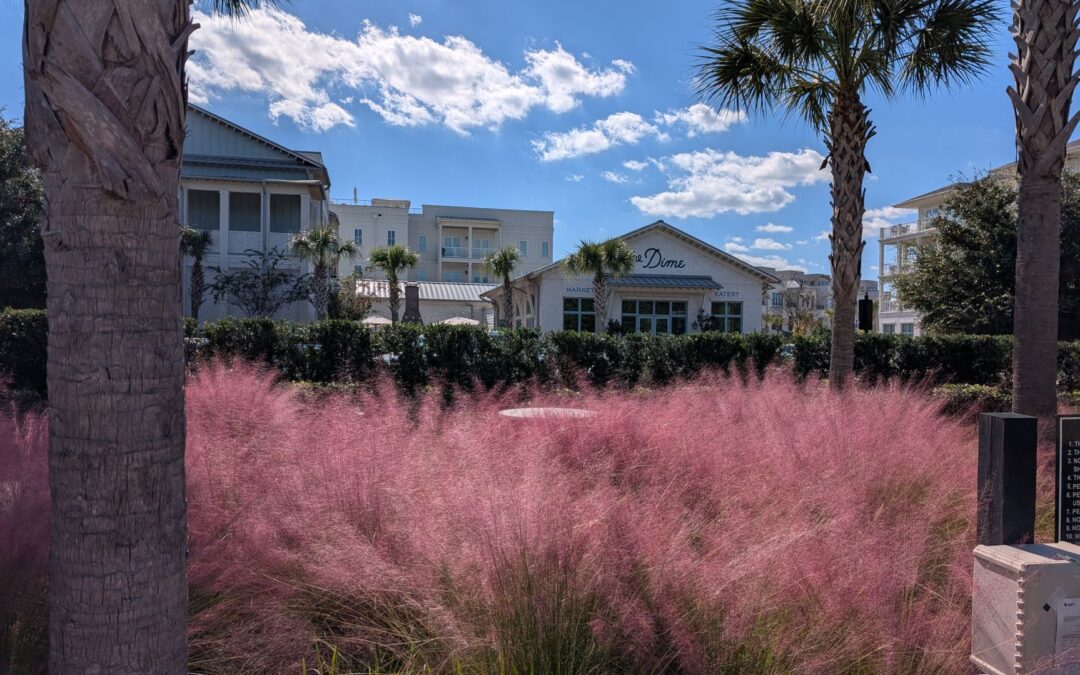
Native Louisiana grasses are grass species that evolved in the Gulf Coast climate — plants like gulf muhly, little bluestem, switchgrass, and inland sea oats that thrive in Acadiana’s heat, humidity, heavy clay soils, and seasonal flooding without constant irrigation or chemical inputs. For most Lafayette-area landscapes, a well-chosen native grass palette cuts watering needs by 30–50% after establishment and reduces fertilizer and mowing cycles compared to conventional turf. Below is the definitive guide to choosing, planting, and maintaining native Louisiana grasses in South Louisiana.
What Are Native Louisiana Grasses?
Native Louisiana grasses are species that occurred naturally across the state’s prairies, coastal marshes, and bottomland forests before widespread agriculture. Unlike imported turf cultivars, they are adapted to the specific challenges of the Gulf South: prolonged summer heat, 60+ inches of annual rainfall, acidic clay-heavy soils, and periods of standing water.
The Louisiana coastal prairie — once covering more than 2.5 million acres — was dominated by bunch grasses like little bluestem and Indiangrass. Today less than one percent of that original prairie remains, which is why interest in restoring native grasses has grown among both homeowners and conservation groups. The Louisiana Department of Wildlife and Fisheries and the USDA Natural Resources Conservation Service both maintain guidance on native plant restoration in the region.
For landscaping purposes, these grasses fall into two broad categories: ornamental clump grasses used as design accents, and groundcover or meadow grasses used to replace or reduce traditional lawn area. Knowing which role you want the grass to play is the first step in choosing a species.
Why Native Louisiana Grasses Beat Imported Turf
Native Louisiana grasses outperform imported turf in Acadiana because they are already matched to the climate they’ll live in. St. Augustine and other common lawn grasses were bred for appearance and uniformity, not for the stress of a South Louisiana summer, so they demand supplemental water, fertilizer, fungicide, and frequent mowing to stay presentable.
Native species, by contrast, developed deep root systems — little bluestem roots can reach five to eight feet — which let them find moisture during dry spells and anchor soil during heavy rain. That depth is also why they manage drainage and erosion so effectively on slopes and along ditches.
The trade-off is honest: native grasses look different. A native meadow is textural, seasonal, and informal rather than a flat green carpet. If an HOA mandates a manicured turf look across the entire front yard, a full native conversion may not fit. Many Lafayette homeowners split the difference — keeping a small conventional lawn for play space and using native grasses for borders, rain gardens, and low-maintenance zones.
Which Native Louisiana Grasses Grow Best in Acadiana?
The best native Louisiana grasses for Acadiana are species that tolerate both heavy clay and periodic saturation. Here are the most reliable performers for Lafayette-area landscapes.
Gulf Muhly (Muhlenbergia capillaris)
A showpiece ornamental grass producing clouds of pink-purple blooms in fall. Grows 2–3 feet, loves full sun, and tolerates poor drainage once established.
Little Bluestem (Schizachyrium scoparium)
A classic prairie bunch grass with blue-green summer foliage turning coppery-red in fall. Excellent for mass plantings and erosion control.
Switchgrass (Panicum virgatum)
Tall (4–6 feet), extremely tough, and ideal for screening or wet areas. Handles standing water better than almost any ornamental.
Inland Sea Oats (Chasmanthium latifolium)
A shade-tolerant grass with dramatic drooping seed heads, perfect for the dappled light under live oaks.
Muhly and Indiangrass
Indiangrass adds golden fall color and height, pairing well with bluestem in prairie-style plantings.
How Much Do Native Louisiana Grasses Cost?
Native Louisiana grasses typically cost $8–$18 per one-gallon container plant, or $35–$120 per flat of plugs depending on species and supplier. Seed is cheaper per square foot but slower to establish and better suited to large meadow conversions than tidy ornamental beds.
Typical cost breakdown
- One-gallon ornamental grasses (gulf muhly, switchgrass): $10–$18 each
- Plugs for mass planting: $2–$4 each, planted 12–18 inches apart
- Native seed mix: $150–$400 per acre for prairie restoration quantities
- Professional design and installation: $4–$12 per square foot for a designed native bed
After establishment — usually one to two growing seasons — ongoing costs drop sharply. You eliminate most irrigation, cut fertilizer to near zero, and mow native meadow areas just once or twice per year instead of weekly. Over a five-year horizon, a native conversion often costs less to own than conventional turf, even though the upfront planting can be comparable. For homeowners planning a larger outdoor project, native grasses are often integrated into full landscape design and installation rather than purchased piecemeal.
How Do You Plant Native Louisiana Grasses?
You plant native Louisiana grasses in fall or early spring, when soil is warm but temperatures are moderate, giving roots time to establish before summer stress. Spring planting works well for most species; fall planting takes advantage of Louisiana’s mild, wet winters.
Step-by-step
1. Test and prep the soil. Native grasses tolerate poor soil but need the existing turf or weeds removed first. Avoid heavy amendments — these plants prefer lean soil.
2. Space correctly. Clump grasses need room to spread; follow mature-width guidance (often 18–36 inches apart).
3. Plant at the right depth. Set the crown level with the soil surface, never buried.
4. Water through establishment. Deep, infrequent watering for the first 8–12 weeks trains roots to grow down.
5. Mulch lightly to suppress weeds without smothering crowns.
The single most common mistake is overwatering after establishment — native grasses can rot in constantly soggy conditions even though many tolerate occasional flooding. Patience in year one pays off with a self-sufficient planting afterward.
What Maintenance Do Native Louisiana Grasses Need?
Native Louisiana grasses need far less maintenance than turf — typically one annual cutback, occasional weeding, and no routine fertilizing. The main yearly task is cutting ornamental grasses back to 4–6 inches in late winter, before new growth emerges in spring.
Annual maintenance calendar
- Late winter (Feb): Cut back dormant foliage; divide overgrown clumps every 3–4 years.
- Spring: Light weeding as new growth starts; refresh mulch.
- Summer: Minimal — no mowing of ornamental clumps, no fertilizer.
- Fall: Enjoy peak color (gulf muhly blooms, bluestem turns red); leave seed heads for birds.
Because native grasses resist local pests and diseases, you avoid the fungicide treatments St. Augustine lawns often require in humid summers. Leaving seed heads standing through winter also supports native birds and pollinators, which is one reason conservation-minded homeowners favor them. The Lady Bird Johnson Wildflower Center maintains detailed native plant profiles covering care specifics for each species.
Why Do Competitors Rank for Native Grasses, and What’s Done Differently Here?
Many landscaping sites rank for native Louisiana grasses simply by publishing a thin plant list with no local context — generic content that doesn’t address Acadiana’s specific clay soils, flood zones, or HOA realities. The gap they leave open is practical, regionally grounded guidance that connects species selection to how a yard actually drains and performs in Lafayette.
What matters for a homeowner here is not a national plant catalog but someone who knows which native grass survives the clay along your back ditch, which tolerates the shade under a 100-year-old live oak, and how to blend natives into a design that still reads as intentional rather than overgrown. That requires an integrated design-build-maintain approach — choosing the right species, installing them correctly, and maintaining them through the critical establishment period.
EdenScapes is one Lafayette-based firm that designs, installs, and maintains native and ornamental plantings across the Acadiana region as part of full landscape projects. The advantage of working with a single integrated team is continuity: the people who select the grasses are the same ones who ensure they establish and thrive, rather than handing off between a nursery, an installer, and a separate maintenance crew.
Are Native Louisiana Grasses Right for Your Yard?
Native Louisiana grasses are right for your yard if you want lower water bills, less mowing, and a landscape that supports local wildlife — but they aren’t a universal answer. They shine in borders, rain gardens, slopes, drainage swales, shade beds, and any area where conventional turf struggles.
Native grasses make sense when:
- You have drainage problems, erosion, or wet low spots
- You want to reduce irrigation and chemical inputs
- You’re planting under trees or on hard-to-mow slopes
- You value fall color and seasonal texture
They may not fit when:
- An HOA requires uniform manicured turf across the whole lot
- You need a flat, durable play or sports surface
- You want a completely static, year-round green appearance
The strongest designs usually combine both: conventional turf where you need function, native grasses where you want beauty and resilience. A site visit that evaluates your soil, sun exposure, and drainage is the surest way to decide which species — and how many — belong in your specific Acadiana landscape.