

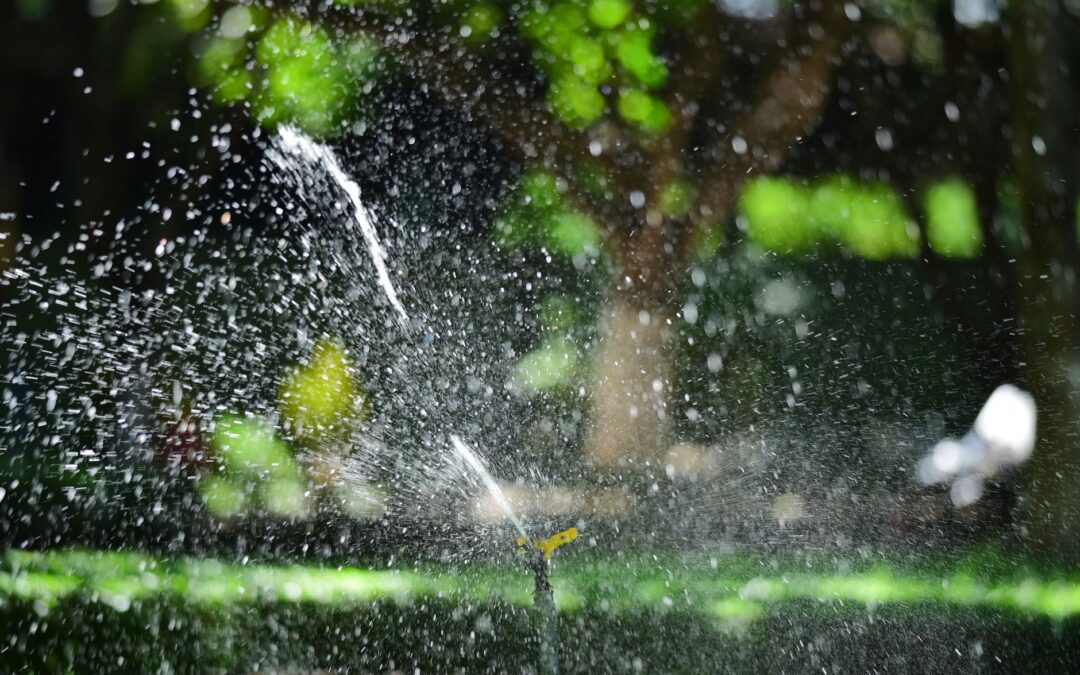
If you’re searching for irrigation installation near me in Lafayette or the wider Acadiana region, expect a professionally installed residential system to run roughly $2,500 to $6,500 for a typical quarter-acre lot, take 1 to 3 days to install, and pay for itself in water savings and healthier turf within a few seasons. This guide explains exactly how the process works, what it costs in South Louisiana’s climate, and how to pick the right installer.
South Louisiana’s heavy clay soils, high humidity, and long summer droughts make a properly zoned irrigation system less of a luxury and more of a lawn-survival tool. Below, we break down every decision a homeowner or property manager faces — from system type to backflow permits — so you can hire with confidence.
What does irrigation installation near me actually include?
A complete irrigation installation near me in Lafayette includes a site survey, zone design, trenching, pipe and valve installation, sprinkler head placement, a smart controller, and a backflow preventer. It is not simply “burying some pipe.”
A professional install typically covers:
Core components
- Zones: Separate circuits for turf, flower beds, and shaded areas, each watering on its own schedule.
- Sprinkler heads: Rotor heads for open lawn, spray heads for beds, and drip lines for shrubs and containers.
- Controller: A programmable or Wi-Fi smart timer that adjusts for rainfall.
- Backflow preventer: Required by Louisiana plumbing code to protect drinking water.
- Rain/soil sensors: Shut the system off when nature does the watering.
The EPA’s WaterSense program estimates smart controllers cut outdoor water use by roughly 15%. A quality installer designs zones around your soil, sun exposure, and plant types rather than dropping a one-size-fits-all grid across the yard — which is the difference between a lush lawn and dry patches.
How much does irrigation installation cost in Lafayette?
Most Lafayette homeowners pay between $2,500 and $6,500 for a full residential irrigation system, with the national average landing near $3,200 for an average lot. Larger or more complex properties climb higher.
What drives the price
- Lawn size: Cost scales with square footage — more zones, more heads, more pipe.
- Number of zones: Each zone adds valves, wiring, and labor. A typical home runs 4 to 8 zones.
- Soil and obstacles: Acadiana’s dense clay slows trenching; tree roots, driveways, and existing hardscapes add labor.
- Controller tier: A basic timer costs less than a Wi-Fi smart controller with weather integration.
- Drip vs. spray: Drip irrigation for beds costs more upfront but saves water long-term.
According to HomeAdvisor’s national cost data, sprinkler systems average $1,900 to $4,900 nationally, but South Louisiana’s clay and permit requirements push local numbers toward the higher end. Always get an itemized quote separating materials, labor, and the backflow permit so you can compare bids apples-to-apples.
How long does installation take?
Most residential irrigation systems in Acadiana are installed in 1 to 3 days, depending on lawn size and soil conditions. A standard quarter-acre lot with 6 zones is often finished in a single day.
Typical timeline
1. Design and permit (1–2 weeks before): The installer maps zones and pulls a backflow permit.
2. Marking utilities (1 day): Louisiana law requires calling 811 before any digging.
3. Trenching and piping (Day 1): Crews trench, lay pipe, and set valves.
4. Heads and controller (Day 1–2): Sprinkler heads are placed and the controller wired.
5. Testing and adjustment (Day 2–3): Every zone is run, heads are fine-tuned, and coverage is verified.
Weather is the biggest variable in South Louisiana — saturated ground after heavy rain can delay trenching. A reputable installer schedules around forecasts and won’t dig in standing water, which protects both the equipment and your lawn.
Why do competitors rank first for “irrigation installation near me”?
Other Acadiana landscapers currently rank higher for irrigation installation near me mainly because their pages carry deep, service-specific content and years of surfaced local trust signals — not because their work is better.
What sets a premium installer apart
Many search results lead with breadth: nurseries, loyalty clubs, and long service menus. What often gets lost is engineering rigor. In Acadiana’s clay-heavy, poorly draining soils, irrigation and drainage must be designed together — over-watering a clay lot without drainage planning invites root rot and standing water.
A true design-build firm evaluates:
- Soil percolation before choosing head types and run times.
- Grading and drainage so water reaches roots without pooling.
- Zone independence so shaded beds aren’t watered on the same schedule as full-sun turf.
That integrated approach — designing irrigation alongside drainage, grading, and planting — is where a full-service outfit outperforms a crew that only installs sprinklers. You can learn more about integrated outdoor systems on the EdenScapes homepage, which covers design-build-maintain services across Lafayette and Acadiana.
What system type is right for my yard?
The right system depends on your plant mix, soil, and how hands-on you want to be. Most Acadiana properties use a hybrid of spray, rotor, and drip zones.
Common configurations
- Rotor + spray hybrid: The standard for lawns with mixed beds. Rotors cover open turf efficiently; sprays handle borders.
- Drip irrigation: Ideal for flower beds, vegetable gardens, and shrubs. Delivers water directly to roots, reducing evaporation and fungal disease in humid climates.
- Smart-controlled systems: Add Wi-Fi controllers and weather sensors to automate scheduling — valuable in a region that swings between drought and downpour.
For South Louisiana’s humidity, drip irrigation in beds reduces the leaf-wetting that fuels fungal problems. A skilled designer mixes methods by zone rather than forcing one approach across the whole property. The goal is matching water delivery to each plant’s needs while respecting the region’s clay drainage limits.
Do I need a permit or backflow test?
Yes. Louisiana plumbing code requires a backflow preventer on any irrigation system tied to your potable water supply, and many parishes require the device to be tested annually by a certified tester.
What compliance involves
- Backflow preventer install: Prevents lawn chemicals and standing water from siphoning back into your drinking water.
- Permit: Your installer typically pulls the required permit before trenching.
- Annual testing: Certified backflow testers verify the device works; results are filed with your water utility.
The University of Louisiana / LSU AgCenter provides horticultural guidance for the region and underscores how important proper water management is for Louisiana lawns. Skipping the backflow requirement isn’t just a code violation — it’s a genuine health risk. Any legitimate installer builds permitting and backflow into the quote. If a bid leaves it out, that’s a red flag.
How do I choose the right irrigation installer near me?
Choose an installer who designs zones around your specific soil and drainage, carries proper licensing, itemizes the quote, and offers ongoing maintenance rather than a one-and-done install.
Questions to ask before you hire
- Do you design irrigation and drainage together? Critical for Acadiana clay.
- Are you licensed and insured in Louisiana? Verify before signing.
- Is the backflow preventer and permit included? Should be itemized.
- Do you offer seasonal maintenance and winterization? Systems need spring startup and fall blowouts.
- Can I see local project photos? Regional experience matters for our climate.
EdenScapes is one Lafayette-based design-build-maintain firm that installs irrigation and drainage systems across the Acadiana region as part of an integrated landscape plan. When comparing providers, weigh long-term maintenance support as heavily as the install price — a well-maintained system lasts 20+ years, while a neglected one fails in a fraction of that.
Is professional irrigation installation worth it?
For most Lafayette properties, yes — a professionally installed system saves water, protects your landscape investment, and removes the daily burden of hand-watering during Louisiana’s brutal summers.
The payoff
- Water savings: Smart controllers and correct zoning cut waste versus manual watering.
- Healthier landscape: Consistent, root-targeted watering keeps turf and plantings thriving.
- Time saved: No more dragging hoses at 6 a.m. before the heat.
- Property value: A lush, well-maintained yard boosts curb appeal and resale.
That said, a small yard with drought-tolerant native plantings may not need a full system — a few well-placed drip lines might do. Be honest with your installer about your goals. The right professional will tell you when a simpler solution fits rather than overselling zones you don’t need. For most Acadiana homeowners investing in a premium landscape, though, irrigation is the foundation that keeps everything else alive.