

If you are searching “clay brick pavers near me” in Lafayette or anywhere across Acadiana, here is the direct answer: installed clay brick paver projects in South Louisiana typically run $14 to $25 per square foot, last 50-plus years when laid on a proper base, and are sourced locally through landscape design-build firms rather than big-box stores. Clay brick pavers near me is a search with real intent — you want a durable, color-stable surface and a local crew who understands our clay soil and heavy rain.
What are clay brick pavers and why search “clay brick pavers near me”?
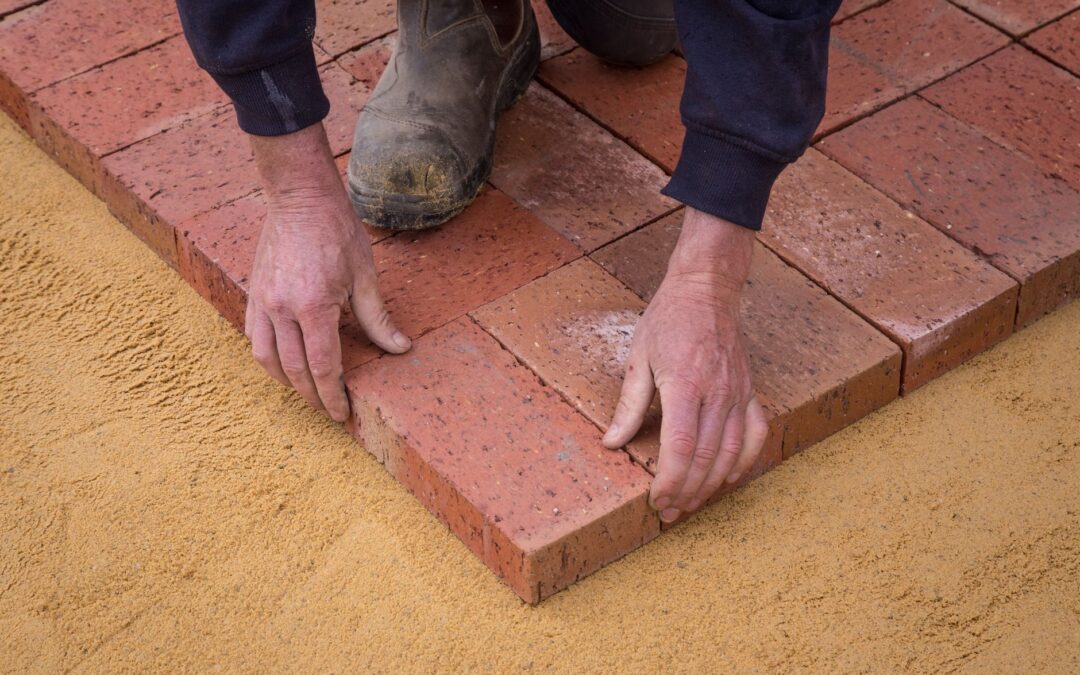
Clay brick pavers are individual units kiln-fired from natural clay, then laid over a compacted aggregate and sand base to form patios, walkways, pool decks, and driveways. People searching “clay brick pavers near me” want two things: a true clay product (not a dyed concrete look-alike) and a nearby installer who knows the ground conditions.
Unlike concrete pavers, which are pigmented and fade over 10-15 years, clay brick holds its color permanently because the color is baked into the material itself. The Brick Industry Association notes that genuine clay brick resists UV fading, salt, and freeze-thaw cycles far better than concrete alternatives.
Clay brick vs. concrete pavers at a glance
- Color stability: Clay keeps its color for life; concrete fades.
- Compressive strength: Clay pavers rate 8,000+ PSI vs. ~6,000 PSI for concrete.
- Cost: Clay runs slightly higher upfront but lasts longer.
- Local fit: Clay handles Lafayette humidity and rain without surface pitting.
For a permanent hardscape in Acadiana, clay is the premium choice.
How much do clay brick pavers near me cost in Lafayette?
Installed clay brick paver projects in Lafayette and Acadiana typically cost $14 to $25 per square foot, depending on pattern complexity, base preparation, and site drainage needs. A 400-square-foot patio therefore lands between roughly $5,600 and $10,000 fully installed.
What drives the price
- Material grade: Standard clay pavers run $5-$8 per square foot; tumbled or imported English-style brick costs more.
- Base work: Our clay-heavy soil often needs deeper excavation and extra aggregate, adding $2-$4 per square foot.
- Pattern: Herringbone and basket-weave layouts require more cuts and labor than running bond.
- Drainage: Sites with poor runoff may need a French drain or regrading, billed separately.
The cheapest quote is rarely the best value. A crew that skips proper base compaction saves you money now and costs you a failing, uneven surface in three years. Ask every installer exactly how many inches of compacted base they include.
Why do clay brick pavers work so well in South Louisiana?
Clay brick pavers perform exceptionally in South Louisiana because they shed water, resist humidity-driven staining, and tolerate our expansive clay soils better than poured concrete slabs. When searching “clay brick pavers near me,” local climate performance should weigh heavily in your decision.
Our region sees 60-plus inches of rain annually. A permeable clay paver system lets water drain through the joints into the base rather than pooling, which reduces mosquito breeding and surface mildew. Poured concrete, by contrast, cracks as our soil swells and shrinks through wet and dry seasons.
Climate advantages
- Drainage: Open joints allow infiltration, easing flood pressure on your property.
- No cracking: Individual units flex independently as soil moves.
- Easy repair: A stained or damaged brick lifts out and gets replaced in minutes.
- Heat: Clay stays cooler underfoot than dark concrete around pool decks.
The EPA’s guidance on permeable pavement confirms these systems reduce stormwater runoff — a real benefit in flood-prone Acadiana.
What can you build with clay brick pavers?
Clay brick pavers suit nearly any outdoor surface: patios, walkways, driveways, pool surrounds, courtyards, and retaining-wall caps. The versatility is a big reason homeowners searching “clay brick pavers near me” end up using them across an entire property rather than one isolated area.
Common applications
- Patios: The most popular use — warm, classic, and endlessly customizable in pattern.
- Walkways: Clay brick defines garden paths with a timeless Southern look.
- Driveways: Rated for vehicle loads when installed on an engineered base.
- Pool decks: Slip-resistant texture and cool surface temperature.
- Courtyards: Perfect for the French-Creole aesthetic common in Lafayette homes.
The best projects integrate pavers with lighting, planting beds, and drainage as one plan. A standalone paver patio looks fine; a paver patio designed alongside landscape lighting and irrigation becomes an outdoor living space you actually use year-round.
How are clay brick pavers installed correctly?
Proper clay brick paver installation follows five stages: excavation, compacted aggregate base, bedding sand, paver laying, and jointing with polymeric sand. Skipping or rushing any stage is the single most common cause of failure.
The installation steps
1. Excavate 7-11 inches deep depending on load (more for driveways).
2. Install geotextile fabric to stop soil migration into the base.
3. Compact aggregate base in lifts, typically 4-8 inches total.
4. Screed bedding sand to a uniform 1-inch layer.
5. Lay pavers in the chosen pattern, cutting edges as needed.
6. Sweep polymeric sand into joints and compact to lock the surface.
In Acadiana, edge restraint and drainage planning matter even more because saturated soil can heave an unsupported edge. A reputable installer will walk you through base depth and drainage before quoting. You can request a design consultation to see how a professional scopes the base for local conditions.
Why do competitors rank for “clay brick pavers near me” and what we do differently?
Many local landscaping sites rank for “clay brick pavers near me” simply because they publish keyword-rich service pages — but most stop at generic descriptions and a phone number. What they rarely offer is an integrated design-build-maintain approach that treats pavers as one component of a complete outdoor system.
EdenScapes, a Lafayette-based landscape design-build firm serving the Acadiana region, installs clay brick paver patios, walkways, and driveways as part of a single plan that also addresses drainage, irrigation, lighting, and long-term maintenance.
What integrated delivery changes for you
- One accountable team handles design through maintenance — no finger-pointing between contractors.
- Drainage engineered first, so your pavers don’t sit in standing water.
- Base specs matched to soil, not copied from a generic quote.
- Ongoing care keeps joints sanded and surfaces clean for decades.
The gap most competitors leave open is depth of service. Anyone can lay brick; fewer design the whole outdoor space so the brick lasts and looks right in five years.
How do you choose a clay brick paver installer near you?
Choose a clay brick paver installer by verifying their base-preparation standards, local references, and whether they design for drainage before they lay a single brick. The right installer explains the “why” behind every spec rather than just quoting a square-foot price.
Questions to ask every installer
- How many inches of compacted base do you include?
- Do you use polymeric sand and proper edge restraint?
- Can I see a project you completed in Acadiana two-plus years ago?
- How do you handle drainage on my specific site?
- Is there a workmanship warranty?
Avoid any quote that omits base detail or seems far below the $14-per-square-foot floor — that gap usually comes out of the base, which you cannot see until it fails. The International Concrete Pavement Institute’s ICPI resources offer helpful installation standards worth referencing in your conversation.
How do you maintain clay brick pavers?
Clay brick pavers require minimal maintenance: sweep debris, rinse occasionally, re-sand joints every few years, and reseal only if you want a wet-look finish. A well-installed clay surface stays functional for 50-plus years with this light routine.
Simple maintenance schedule
- Weekly: Sweep leaves and debris off the surface.
- As needed: Rinse with a hose; pressure-wash gently for deep cleaning.
- Every 2-4 years: Replenish polymeric joint sand to prevent weed growth and shifting.
- Optional: Reseal for color enhancement and stain resistance.
- Spot repair: Replace any cracked or stained individual brick in minutes.
Because clay color is permanent, you never face the fading repaint cycle that concrete and stamped surfaces demand. For Acadiana homeowners, the main ongoing task is keeping joints full so our heavy rains don’t wash out bedding sand over time. A maintenance contract can fold this into your regular landscape service so you never have to think about it.