

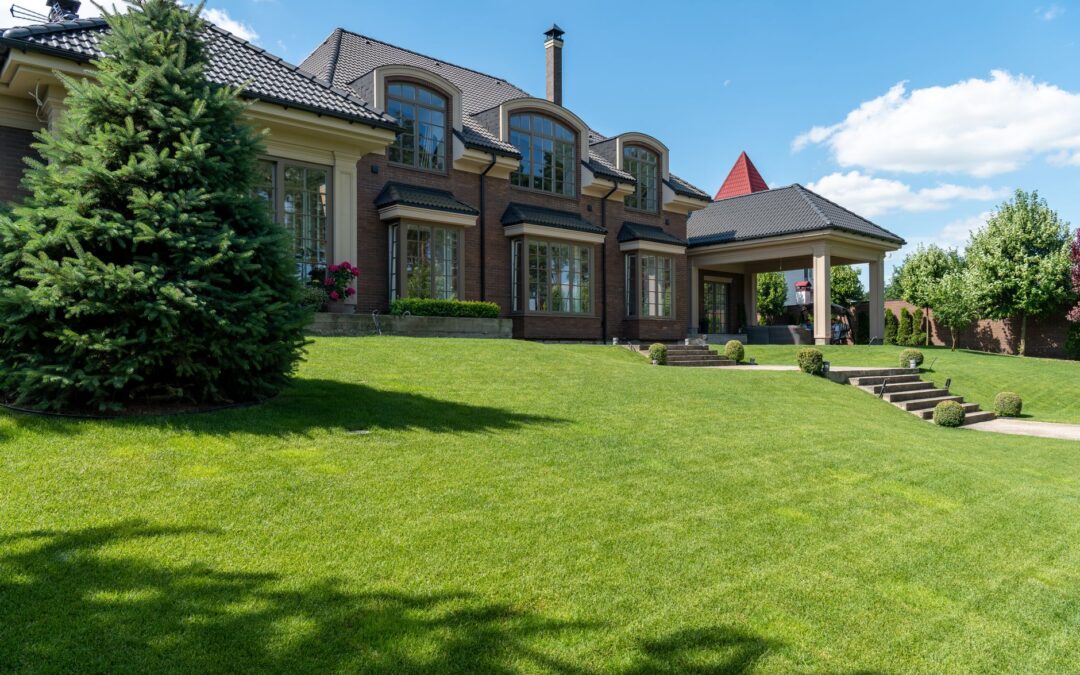
A working louisiana lawn care schedule starts fertilizing warm-season grass in mid-April (once soil hits 65°F), mows St. Augustine at 3–4 inches every 5–7 days in summer, applies pre-emergent weed control in February and again in early October, and stops nitrogen by mid-September so the turf can harden before dormancy. That single rhythm — fertilize spring through late summer, never in cold soil — is the backbone every homeowner in Lafayette and the wider Acadiana region needs.
Below is the full month-by-month plan for the grasses that actually grow here: St. Augustine, centipede, Bermuda, and Zoysia. It reflects South Louisiana’s long humid summers, mild winters, and heavy clay soils — conditions that make a generic national calendar wrong by weeks.
What is the best louisiana lawn care schedule by month?
The best louisiana lawn care schedule follows soil temperature, not the calendar page. Warm-season grasses green up when soil sustains 65°F, which in Acadiana usually lands between late March and mid-April. Here is the year at a glance:
Spring (March–May)
- March: Final winter weed cleanup; do NOT fertilize yet. Apply pre-emergent if you missed February.
- April: First fertilizer application once grass is 50%+ green. Resume regular mowing.
- May: Spot-treat broadleaf weeds; begin consistent irrigation as rain gaps appear.
Summer (June–August)
- Fertilize every 6–8 weeks; mow weekly; watch for chinch bugs and gray leaf spot.
Fall (September–November)
- September: Final nitrogen application (mid-month latest).
- October: Second pre-emergent for winter weeds.
- November: Lower mowing height slightly; reduce watering.
Winter (December–February)
- Grass is dormant; mow only as needed. Apply February pre-emergent before soil hits 55°F. The LSU AgCenter care calendar confirms these warm-season timing windows for Louisiana turf.
When should I fertilize my lawn in Louisiana?
Begin fertilizing when your lawn is at least half green — typically mid-April in Acadiana — never before. Cold-soil fertilizer feeds weeds, not grass, and can burn tender new growth. A reliable pattern is three to four feedings: April, June, mid-to-late July, and a final light application by mid-September.
Fertilizer numbers that matter
- St. Augustine & centipede: Centipede is a low-feeder — 1 to 2 lbs of nitrogen per 1,000 sq ft per year total. Over-feeding centipede causes “centipede decline.”
- Bermuda & Zoysia: Heavier feeders — 3 to 4 lbs of nitrogen per 1,000 sq ft annually, split across the season.
- Soil test first: A soil test through LSU AgCenter costs about $10 and tells you whether you need phosphorus and potassium at all — our clay soils are often already high in phosphorus.
Stopping nitrogen by mid-September is the rule most homeowners break. Late feeding pushes soft growth right before the first cool snap, inviting brown patch fungus.
How often should I mow my lawn in Louisiana?
Mow every 5 to 7 days during peak summer growth and every 10 to 14 days in spring and fall. The key rule is the one-third rule: never remove more than one-third of the blade height in a single cut, or you shock the grass and open the door to weeds.
Correct mowing heights for Acadiana grasses
- St. Augustine: 3 to 4 inches. Taller shades out weeds and tolerates our heat.
- Centipede: 1.5 to 2 inches.
- Zoysia: 1 to 2 inches.
- Bermuda: 1 to 1.5 inches (needs frequent, low mowing).
Keep mower blades sharp — a dull blade shreds rather than cuts, leaving frayed tips that brown and invite disease in our humidity. During drought, raise the height slightly and mow less; longer blades protect roots and hold soil moisture.
How much should I water a Louisiana lawn?
Most established Acadiana lawns need about 1 inch of water per week including rainfall — but South Louisiana’s afternoon storms often supply it, so watering by the calendar wastes water and money. Water deeply and infrequently: one or two soakings a week beats daily sprinkling, which trains shallow roots.
Smart watering practices
- Water early morning (4–8 a.m.) to reduce evaporation and fungal risk.
- Use a rain gauge or a tuna can to measure output — most systems apply 1 inch in 20–30 minutes.
- New sod needs daily light watering for the first 2–3 weeks, then taper off.
Overwatering is the most common mistake here. Our heavy clay drains slowly, and constant moisture breeds brown patch and take-all root rot. A properly zoned irrigation system with a rain sensor — the kind we install as part of our design-build-maintain services — pays for itself in both water bills and turf health.
When should I apply weed control in Louisiana?
Apply pre-emergent herbicide twice a year: February (before soil reaches 55°F) to stop spring crabgrass, and early October to stop winter weeds like annual bluegrass. Timing is everything — a pre-emergent applied after weeds sprout does nothing.
Weed strategy by season
- Late winter: Pre-emergent for crabgrass and goosegrass.
- Spring/summer: Spot-treat broadleaf weeds (clover, dollarweed) with post-emergent products safe for your grass type. St. Augustine is sensitive — read the label.
- Fall: Second pre-emergent for cool-season weeds.
Dollarweed thrives where drainage is poor, so a lawn full of it usually signals a watering or grading problem, not just a weed problem. Fixing the underlying moisture issue prevents recurrence better than repeat spraying.
Why do competitors rank for this schedule, and what do we do differently?
Most pages ranking for a louisiana lawn care schedule are static PDFs and university handouts — accurate but generic. They give you the calendar; they don’t apply it to your specific yard, soil, and grass. That is the gap. A printed schedule can’t see that your backyard stays wet because a downspout dumps against the fence, or that your centipede is declining from over-fertilizing.
What integrated maintenance adds
- Local diagnosis: We walk the property, identify the actual grass species, and adjust the schedule to your microclimate — full sun front, shaded oak-covered back.
- Drainage and irrigation tied to lawn health: Because we design and build hardscapes, drainage, and irrigation, we fix the root causes a mow-and-blow crew can’t.
- One accountable team: Fertilizing, mowing, weed control, and irrigation are coordinated under one contract, so timing never falls through the cracks.
The schedule is a starting point. Consistent execution on real Acadiana soil is what actually keeps a lawn thick and green.
Which grass type do you have — and why it changes the schedule?
Your grass type dictates half of your louisiana lawn care schedule, so identify it before you fertilize. Four types dominate Acadiana lawns:
St. Augustine
The most common local turf. Broad blades, spreads by runners, tolerates shade better than others. Loves 3–4 inch mowing and moderate feeding. Prone to chinch bugs and brown patch.
Centipede
“The lazy man’s grass” — low nitrogen needs, slow growing. Over-fertilizing kills it. Prefers acidic soil (pH 5.0–6.0).
Zoysia
Dense, fine-textured, high traffic tolerance. Needs more feeding and frequent low mowing but resists weeds well once established.
Bermuda
Aggressive, sun-loving, wear-tolerant — common on athletic fields. High maintenance: frequent low mowing and the heaviest fertilizer schedule of the four.
Matching product and timing to species is where DIY lawns most often go wrong. A centipede lawn fed on a Bermuda schedule will decline within two seasons.
How do I keep an Acadiana lawn healthy year-round?
Consistency and prevention beat rescue treatments. The healthiest lawns in Lafayette follow the seasonal schedule above, aerate compacted clay soil once a year in late spring, and address drainage before disease appears. Aeration relieves the compaction that plagues South Louisiana clay, letting water, air, and nutrients reach roots.
A simple year-round rhythm
- Spring: Aerate, first fertilize, resume mowing.
- Summer: Feed on schedule, mow weekly, scout for insects and fungus.
- Fall: Final feeding by mid-September, second pre-emergent, ease off water.
- Winter: Rest, plan next year, apply February pre-emergent.
For homeowners who want the results without tracking soil temperatures and product labels, EdenScapes provides horticultural and lawn maintenance across Lafayette and the Acadiana region as part of an integrated design-build-maintain program. Whether you manage it yourself with the calendar above or hand it off, the difference between a struggling lawn and a lush one is almost always timing and drainage — not the amount of effort.