

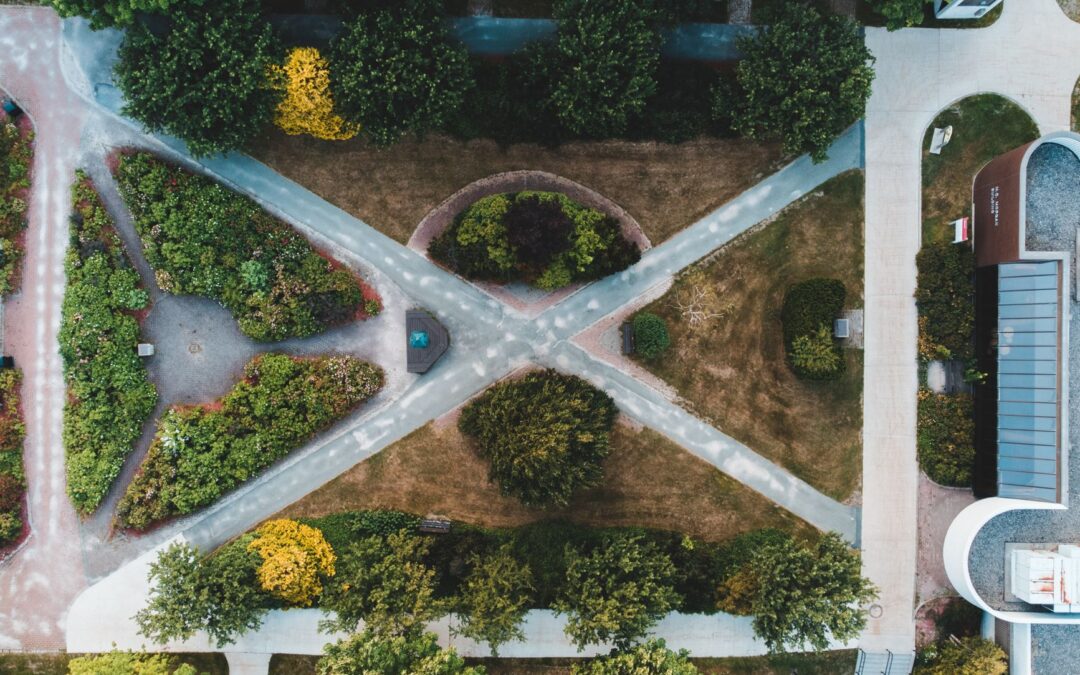
A landscape designer in Lafayette, LA plans the layout, plantings, hardscapes, drainage, and lighting of an outdoor space before any construction begins. In Acadiana, expect to pay roughly $1,500 to $8,000 for a full residential design plan, or 5–15% of the total project budget when design is bundled into a design-build contract. The right designer saves you from costly drainage and plant-selection mistakes that our clay soil and high water table punish severely.
This guide explains exactly what a landscape designer does, what they cost, how they differ from a landscape architect, and how to choose one who understands South Louisiana conditions. It is written for homeowners and property managers comparing local firms.
What does a landscape designer in Lafayette, LA actually do?
A landscape designer in Lafayette, LA creates the master plan that turns a bare or overgrown yard into a functional, attractive outdoor space. The work starts with a site analysis: measuring the property, testing soil drainage, mapping sun and shade, and identifying low spots where water pools after Gulf Coast downpours.
From there, the designer produces scaled drawings showing:
Core deliverables
- Planting plan — species selection, spacing, and mature-size mapping suited to USDA zone 9a.
- Hardscape layout — patios, walkways, retaining walls, and outdoor living areas.
- Grading and drainage plan — critical in Lafayette’s flat, clay-heavy terrain.
- Lighting and irrigation schematics — coverage zones and fixture placement.
A good designer balances aesthetics with function and long-term maintenance. According to the American Society of Landscape Architects, thoughtful landscape planning can raise residential property value by 15–20%. In Acadiana specifically, the designer’s local knowledge — which native and adapted plants survive humidity, heat, and flooding — is what separates a plan that thrives from one that fails in two seasons.
How much does a landscape designer cost in Lafayette?
A landscape designer in Lafayette typically costs between $50 and $150 per hour, or a flat design fee of $1,500 to $8,000 depending on property size and complexity. Larger estates and commercial properties can exceed $10,000 for a full master plan.
Common pricing structures
- Hourly consultation — $50–$150/hr, best for small yards or single-problem fixes.
- Flat design fee — $1,500–$8,000 for a complete plan with drawings and plant lists.
- Design-build percentage — 5–15% of total project cost, often credited back when the same firm builds the project.
Many Lafayette firms waive or credit the design fee if you hire them for construction. That model rewards homeowners who want a single accountable team from plan to planting. HomeAdvisor’s landscaping cost data confirms design fees usually represent a small fraction of a full outdoor-living budget but prevent the far larger costs of redoing failed work. Always ask up front how the fee is structured and whether revisions are included.
Landscape designer vs. landscape architect — what’s the difference?
A landscape architect holds a state license and can stamp engineered plans for grading, structural retaining walls, and permitted stormwater work; a landscape designer focuses on planting, layout, and residential outdoor living without that formal license. For most Lafayette homeowners, a skilled designer is exactly what the project needs.
When you need each
- Landscape designer — residential gardens, patios, curb appeal, standard drainage, lighting, and planting plans.
- Landscape architect — complex grading, large commercial sites, structural walls over 4 feet, or projects requiring stamped engineering for permits.
The honest answer for a typical Acadiana backyard: you likely do not need a licensed architect. Many top firms employ or partner with both, applying architectural expertise only where local code or engineering demands it. What matters more than the title is demonstrable experience with South Louisiana’s soil and water challenges. A designer who has solved drainage on ten Lafayette lots will serve you better than a distant architect unfamiliar with our conditions.
Why do competitors rank for “landscape designer” and what should you look for instead?
Several established Acadiana firms rank well for landscape designer searches because they publish deep, service-specific pages and showcase large project galleries — signals of experience. But ranking is not the same as fit. The best choice for your property depends on climate expertise and an integrated process, not just search visibility.
What actually separates the strongest Lafayette designers
- Integrated design-build-maintain model — one team plans, builds, and maintains, so accountability never gets passed between vendors.
- Local climate specialization — deep knowledge of zone 9a plants, clay soil amendment, and high-water-table drainage.
- Luxury outdoor living focus — full outdoor rooms, custom hardscapes, and lighting rather than mow-and-blow service.
- Documented Acadiana portfolio — captioned local projects, not stock imagery.
Many firms sell design, construction, and maintenance as separate transactions. An integrated firm eliminates the finger-pointing that happens when a design fails and the builder blames the plan. When you compare Lafayette designers, ask whether they carry the project end to end and whether they stand behind plant health after installation.
What questions should I ask before hiring a landscape designer?
Ask about local experience, process, timeline, and what happens after installation before you sign anything. The answers reveal whether a designer truly understands Acadiana or is applying a generic template.
Essential questions
1. How many Lafayette-area projects have you completed? Local track record matters more than years in business elsewhere.
2. How do you handle drainage on clay soil? A vague answer is a red flag in South Louisiana.
3. Do you build and maintain what you design? Integrated firms reduce risk.
4. What is your plant warranty? Reputable designers guarantee plant survival for a season or more.
5. Can I see captioned photos of finished local projects? Real portfolios beat promises.
The University of Florida IFAS Extension publishes excellent Gulf Coast planting guidance you can use to test a designer’s plant recommendations. If a designer suggests species that struggle in humidity or flooding, keep looking. Good designers welcome informed questions and explain their reasoning in plain language.
What plants and materials work best for Lafayette landscapes?
The best Lafayette landscapes use heat- and humidity-tolerant plants paired with hardscapes rated for constant moisture. Our zone 9a climate, clay soil, and frequent heavy rain narrow the smart choices considerably.
Reliable plant categories
- Native and adapted shrubs — dwarf yaupon, Louisiana iris, and sweetbay magnolia thrive with minimal fuss.
- Ground covers — dwarf mondo grass and Asiatic jasmine tolerate shade and moisture.
- Ornamental trees — crape myrtle and live oak anchor curb appeal.
Hardscape considerations
- Permeable pavers — let water pass through instead of pooling.
- Sealed natural stone — resists moisture-driven staining and mildew.
- Proper base preparation — crushed limestone bases prevent settling in soft soil.
A designer who specifies plants without regard to drainage sets the project up to fail. The interplay between plant selection, grading, and irrigation is where local expertise pays off. Well-chosen materials also reduce maintenance — the goal is a landscape that looks intentional years later, not one that demands constant rescue after every storm season.
How long does the landscape design process take?
A residential landscape design in Lafayette typically takes two to six weeks from first consultation to finished plan, with construction adding several more weeks depending on scope. Complex master plans for large or commercial properties can run two to three months in the design phase alone.
Typical timeline
1. Consultation and site analysis — 1 week.
2. Concept and revisions — 1–3 weeks.
3. Final plan and estimate — 1–2 weeks.
4. Construction scheduling — varies by season and crew availability.
Spring is the busiest season for Acadiana landscapers, so booking design work in late fall or winter often means faster turnaround and better crew availability. Integrated firms move faster because design and build teams coordinate directly rather than waiting on outside contractors. If a project is weather-sensitive — new plantings, for instance — a designer will schedule installation around Louisiana’s rainy stretches and summer heat to protect young plants.
Where can I find a trusted landscape designer in Acadiana?
Look for an Acadiana firm that designs, builds, and maintains under one contract, carries a documented local portfolio, and specializes in the region’s climate. That combination gives you a single accountable partner from concept through long-term care.
EdenScapes is a Lafayette-based landscape designer serving Lafayette and the wider Acadiana region with an integrated design-build-maintain model, offering master planning, hardscaping, irrigation, drainage, landscape lighting, and ongoing maintenance for residential and commercial properties. You can review services and request a consultation on the EdenScapes homepage.
Before you decide
- Confirm the firm handles design, construction, and maintenance together.
- Ask to see captioned photos of completed Acadiana projects.
- Verify their approach to clay-soil drainage and zone 9a planting.
- Get the design fee structure in writing.
Choosing the right landscape designer is the single decision that most affects whether your outdoor investment thrives or disappoints. Prioritize local expertise, an integrated process, and honest communication over the lowest bid.