

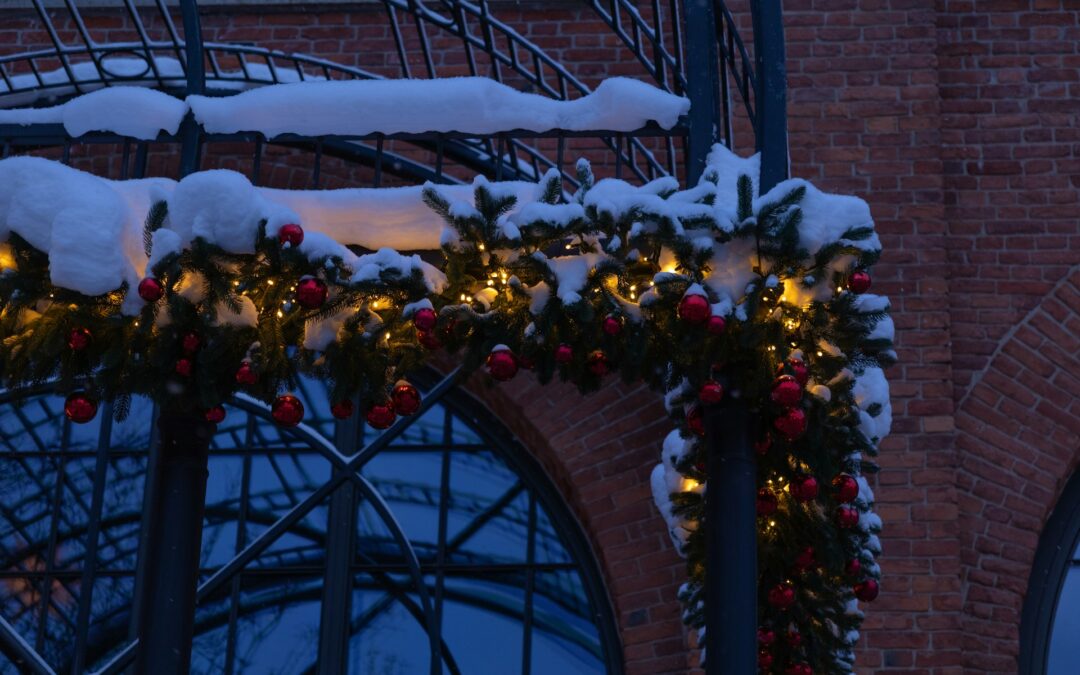
After the holidays wind down, outdoor Christmas lights often stay put a little longer than planned. Some people love the extra sparkle through the gloomy winter months, while others forget they’re even still out there. Either way, the choice to leave lights hanging into February or beyond is more common than most would guess.
It might seem like an easy way to keep some cheer going, but leaving lights up through wet, cold weather has both good sides and bad. If you’re in a place like Lafayette, LA, where winters can be damp and unpredictable, it helps to know what you’re getting into. We’ve seen all kinds of outcomes when lights stay out all winter, and the list of pros and cons is longer than most people expect.
The Good Side of Leaving Lights Up
Outdoor Christmas lights don’t have to disappear right after New Year’s. In fact, there are a few pretty solid reasons to keep them up longer.
- They bring joy to a space. On overcast winter days, especially in gray or rainy weather, a few glowing strands can really lift the mood. Lights can make early evenings feel less dull and add warmth where it’s needed.
- When used well, they highlight certain areas like walkways or patios. This is great when trying to give structure to a winter yard that might otherwise look pretty plain.
- Leaving them up also saves time. If you plan to reuse them in upcoming months or switch them over to a different seasonal theme, keeping them in place avoids the whole process of removing and reinstalling. You won’t have to do the work twice, which can be a relief during chilly months.
That said, not all lights are cut out for long stays outdoors. The benefits often depend on weather, placement, and the kind of lights you’re using. Your experience might be different depending on whether your lights are placed under shelter, hung in trees, or strung along a fence. It’s important to know your setup and how it handles wet or windy conditions.
What Could Go Wrong Over Time
The longer lights stay up, the more they deal with. Rain, freezing nights, and wind all take a toll, especially if the setup wasn’t made for more than a few weeks.
- Wires and plugs can wear out. Most outdoor lights aren’t designed to battle winter conditions for months at a time. Exposure to shifting temps and steady dampness breaks things down faster than you’d think. When wires and connections are exposed to rain over a long period, they might not work as well, or they can become a safety hazard.
- Hardware may give out. Plastic clips, cable ties, or metal fasteners might snap, rust, or loosen as the season rolls on. When that happens, light strings can droop, tangling with shrubs or falling onto walkways. If you’re not checking, a line that looked secure in January could be half on the ground by February.
- There’s also a risk of damage you can’t see right away. Rainwater can puddle around extension cords or get into fixtures, and if things short out, that becomes a bigger concern than just holiday leftovers. Sometimes, issues don’t show up until you try to use the lights next year and find they no longer work.
Even if everything looks fine at first glance, long exposure without a break makes surprises more likely. Regular use in tough conditions can slowly create problems that aren’t visible until it’s too late.
Safety and Maintenance Checks
If you’re keeping lights up into February or even longer, regular checks are a must. Catching small problems now can prevent big ones later.
- Replace burnt-out bulbs quickly. One broken bulb can cause nearby ones to overheat or short out. Skip the “I’ll fix it later” mindset, since a little neglect can become a big hassle.
- Inspect plug ends and wires. Look for areas that feel soft, show cracking, or have small bite marks (critters do get curious now and then). If you see wires poking out or find places where cords have been pinched under a window or door, it might be time to fix or replace those sections.
- Clean off dirt, leaves, or standing water. In damp areas, water can pool around the base of fixtures and lead to trouble during cold snaps. Clearing away debris will help prevent accidents and allow your lights to shine through the gloomy winter weather.
Taking a few minutes every week or two makes all the difference and adds some peace of mind that your lighting isn’t ticking toward an electrical headache. It’s a simple step, but it can pay off by giving you brighter and safer lights for the whole winter season.
Neighborhoods, HOAs, and Personal Style
There are other things that can affect your decision too, often closer to home than the weather.
- Some neighborhoods or homeowners associations have rules about outdoor Christmas lights. Leaving them up past a certain date could lead to complaints or even fines. It’s a good idea to check and see if your area has guidelines or if there are certain expectations about what should come down and when.
- Even without rules, some people just don’t like the way it looks. Come February, Santa lights or wreath-shaped displays might not line up with your plans for an early spring refresh. A lit-up reindeer under a blooming camellia bush can be more confusing than cheerful.
- If your own yard has a more natural or styled look during the off-season, strands of colorful lights could start feeling out of place. You might decide simple white lights work better if you want to keep a soft glow, or you may want to shift your lighting scheme as the season changes.
It’s worth thinking about how your lights fit into your home’s winter and early spring look, not just your holiday display. Some people enjoy blending in their lighting with landscaping features or outdoor seating areas. Others like a clear break between holiday fun and the next season’s look.
Weather Considerations and Local Climate
The big factor for light safety is usually weather. Around Lafayette, LA, winters can bring weeks of rain, chilly fog, or unpredictable storms. Lights that stay outside have to hold up through all of it, which can be hard for older or indoor-only sets.
- In milder climates, where rain comes rarely and temps stay above freezing, outdoor lights usually handle a few extra weeks without major problems. Places that stay mostly dry during winter might not run into the same issues as more humid or stormy areas.
- But if you’re getting hard swings from warm to cold, or if your plugs get covered in water, then long-term use could shorten the life of your lights by a lot. Sudden freezes or steady dampness from foggy mornings can make wire insulation peel or make plugs corrode.
- Consider how fast humidity builds up, too. Moisture can settle into sockets and cause corrosion over time, especially if there’s no ventilation around the lights. Sometimes, lights can even look fine when off but refuse to work after a wet or foggy stretch.
If your yard doesn’t drain well or gets patches of standing water, you’ll want to double-check your setup rather than trusting it’ll hold through the season. Take a little time to look for low places where cords or stakes might be sitting in puddles, as even the best outdoor lights can fail if left underwater.
Choose What Works for You
There’s no single right answer when it comes to how long you leave your lights up. Some setups are made to last, and some aren’t. Your space, weather, and personal taste all play a role, and it’s fine to change things as the season goes on.
At EdenScapes, we offer professional holiday light installation and ongoing safety checks for our clients in Lafayette, LA. Our team installs lights using quality hardware and safe extension cords suitable for wet winter weather. We always recommend using UL-listed outdoor lighting specifically designed for extended use. Taking these precautions reduces seasonal hassle and risk.
Outdoor Christmas lights don’t have to come down the minute the holidays end, but they do need a little attention if they stay up. Whether it’s helping cheer up a rainy February evening or lighting the way along a garden path, lights that work well and look good bring more than just holiday cheer into the new year. With a little care and thought, you can enjoy what they offer without having to fix big problems once spring rolls in.
Thinking about the best way to handle your outdoor holiday setup in Lafayette, LA this season? We can help you make a safe and smart choice. Whether you want to keep the sparkle going into early spring or plan to remove everything soon, we’re here to keep things smooth and stress-free. Our team knows what works in damp, unpredictable winters and checks every detail in your setup. For support with your outdoor Christmas lights, give EdenScapes a call and let’s talk about what suits your space best.